


When an alarm goes off, every second matters—but not every alarm requires an emergency response. Digital Security is introducing Alarm Chat, a new feature that gives customers a convenient way to quickly review an alarm and choose what happens next, right from their phone. What Is Alarm Chat? Alarm Chat is available to Digital Security customers with burglar alarm systems and provides another way to respond when an alarm signal is received. When your alarm is triggered, the contacts listed on your account receive a text message with a secure link to an Alarm Chat. During the delay period, you can use the chat to review the alarm and choose to: Dismiss the alarm if you know it was triggered accidentally Request immediate dispatch if you need assistance Extend the delay while you communicate with other contacts The secure screen also provides information about the alarm, including the property address and the zone that triggered the signal. A Simple Way to Handle Accidental Alarms False or accidental alarms can happen for many reasons—a family member entering unexpectedly, a door being opened before the system is disarmed, or another situation that doesn't require emergency response. With Alarm Chat, authorized contacts have a short window to review the notification and dismiss the alarm when appropriate. If no action is taken during that period, the alarm is automatically sent to a central station operator and processed normally. If you choose to dismiss an alarm, you'll be asked to verify the account's codeword. Once the correct codeword is submitted, the alarm can be cleared without requiring an operator to access the account. Need Help? You Can Request Dispatch If an alarm requires a response, Alarm Chat also makes it easy to request dispatch. Selecting the dispatch option allows you to confirm that dispatch is needed. Once confirmed, the action plan changes and a central station operator begins processing the dispatch. The operator can provide the appropriate information to the local agency dispatcher, including whether someone will be meeting first responders at the property. Keeping You Connected to Your Security System Alarm Chat is another example of how security technology can make your system easier and more convenient to manage. Digital Security has served Hampton Roads since 1978, providing customized security solutions for homes and businesses throughout the region. From intrusion alarms and monitoring to video surveillance, access control, fire systems, and smart home technology, our goal is to combine dependable protection with technology that works for the way you live and work. Have questions about Alarm Chat or your Digital Security system? Our team is here to help. Call Digital Security at 757-838-0100, email dsmonitoring@digital-security.net, or text 757-448-5181 with general questions about the Chat tool. For your security, do not text account numbers or passwords. Ready to Learn More? If you're a Digital Security customer and have questions about Alarm Chat, contact our team. We'll be happy to explain how the feature works and what to expect when your alarm is activated.
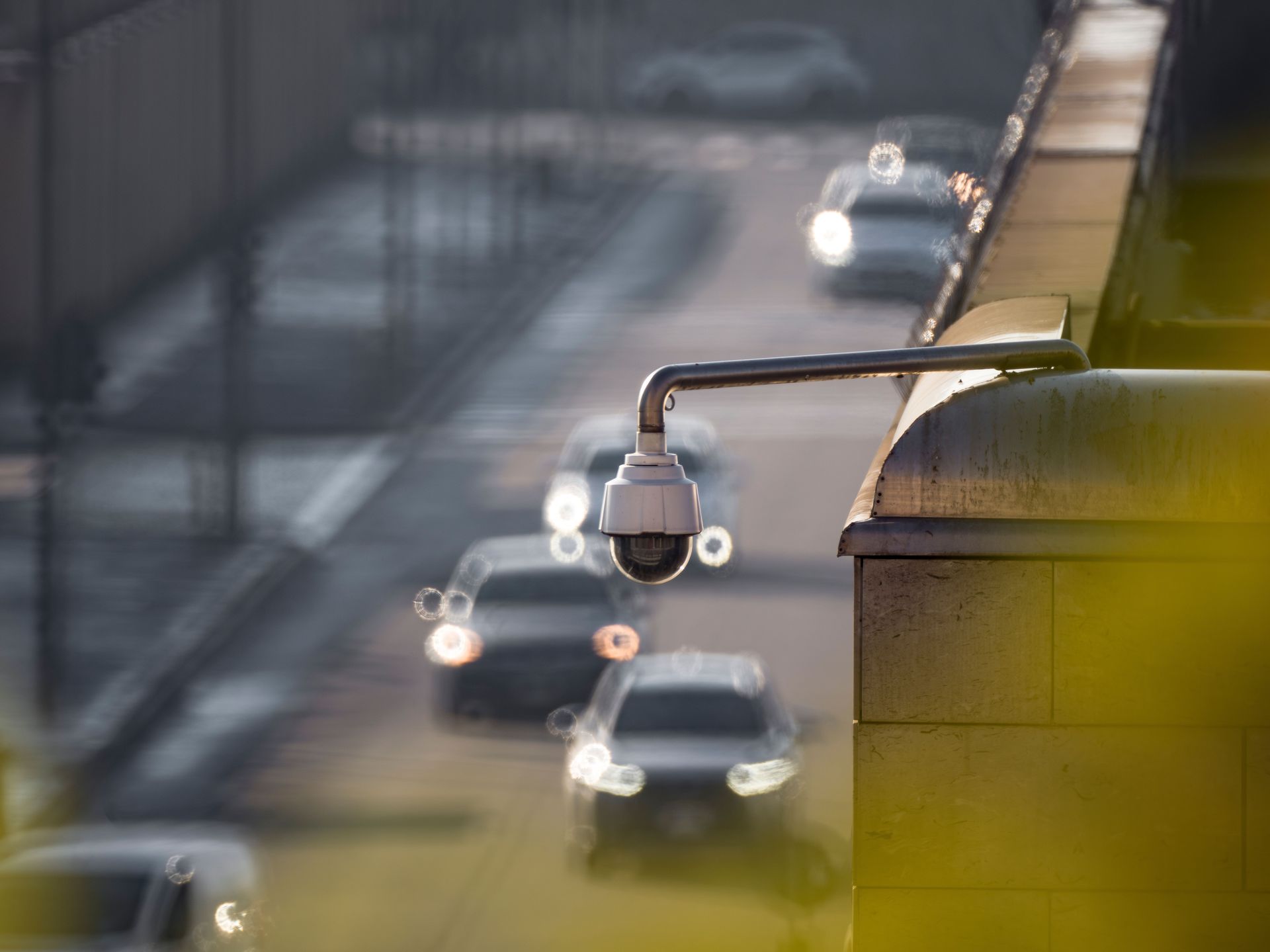
Security and fire system inspections in York County, VA keep your alarms compliant and working correctly. Learn what inspections cover and how often they should happen.
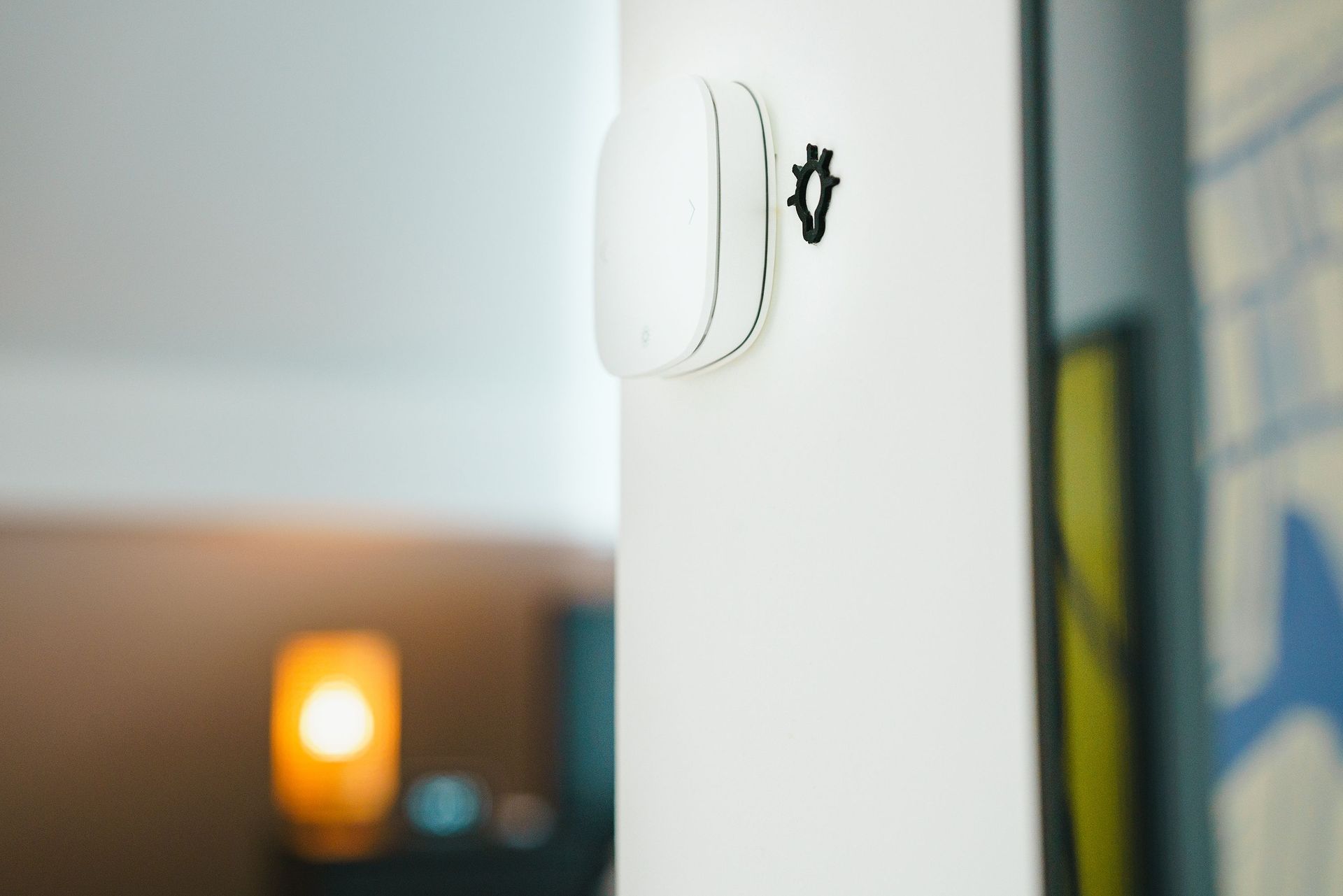
Smart home technology installation in Portsmouth, VA connects locks, cameras, lighting, and thermostats into one easy platform. Learn what to expect for your home type.

Revolutionizing Security: Experience the Future of Monitoring Technology!
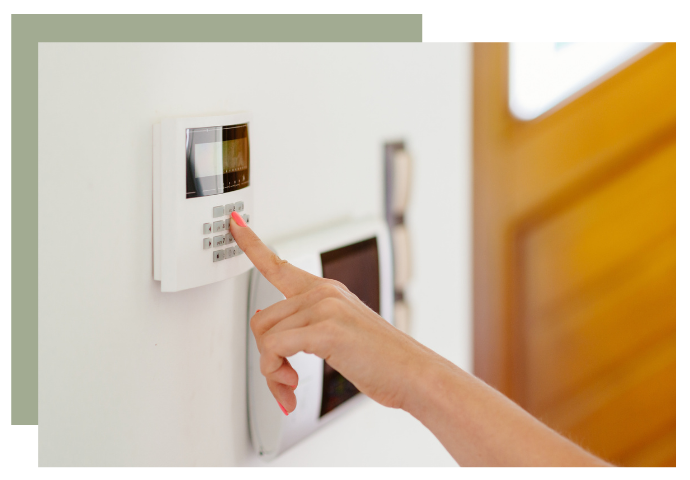
Residential security installation in Chesapeake, VA protects homes across the city's varied neighborhoods. Explore system options, monitoring benefits, and local weather considerations.
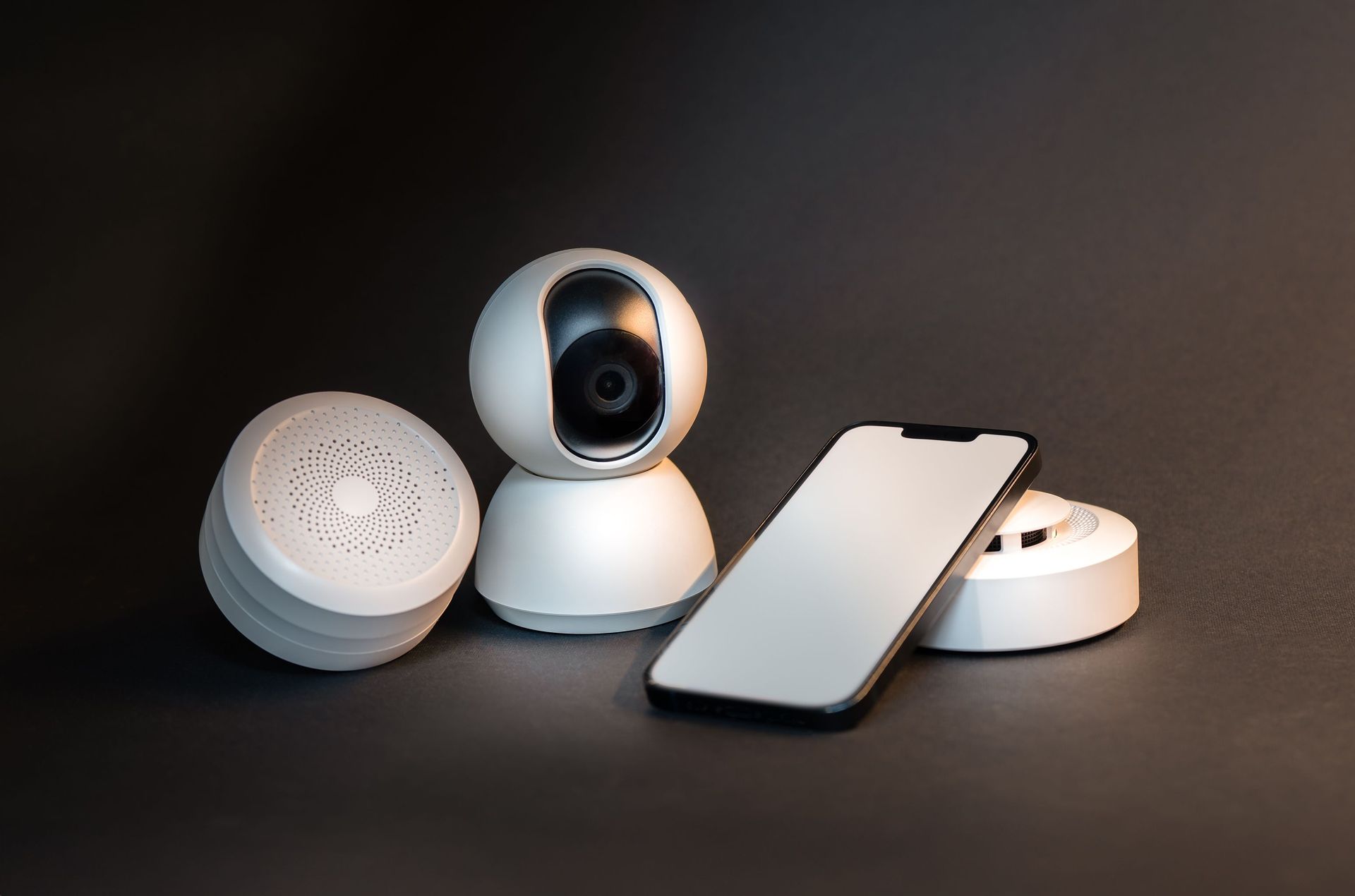
Discover the Future of Security: No Phone Line Needed!
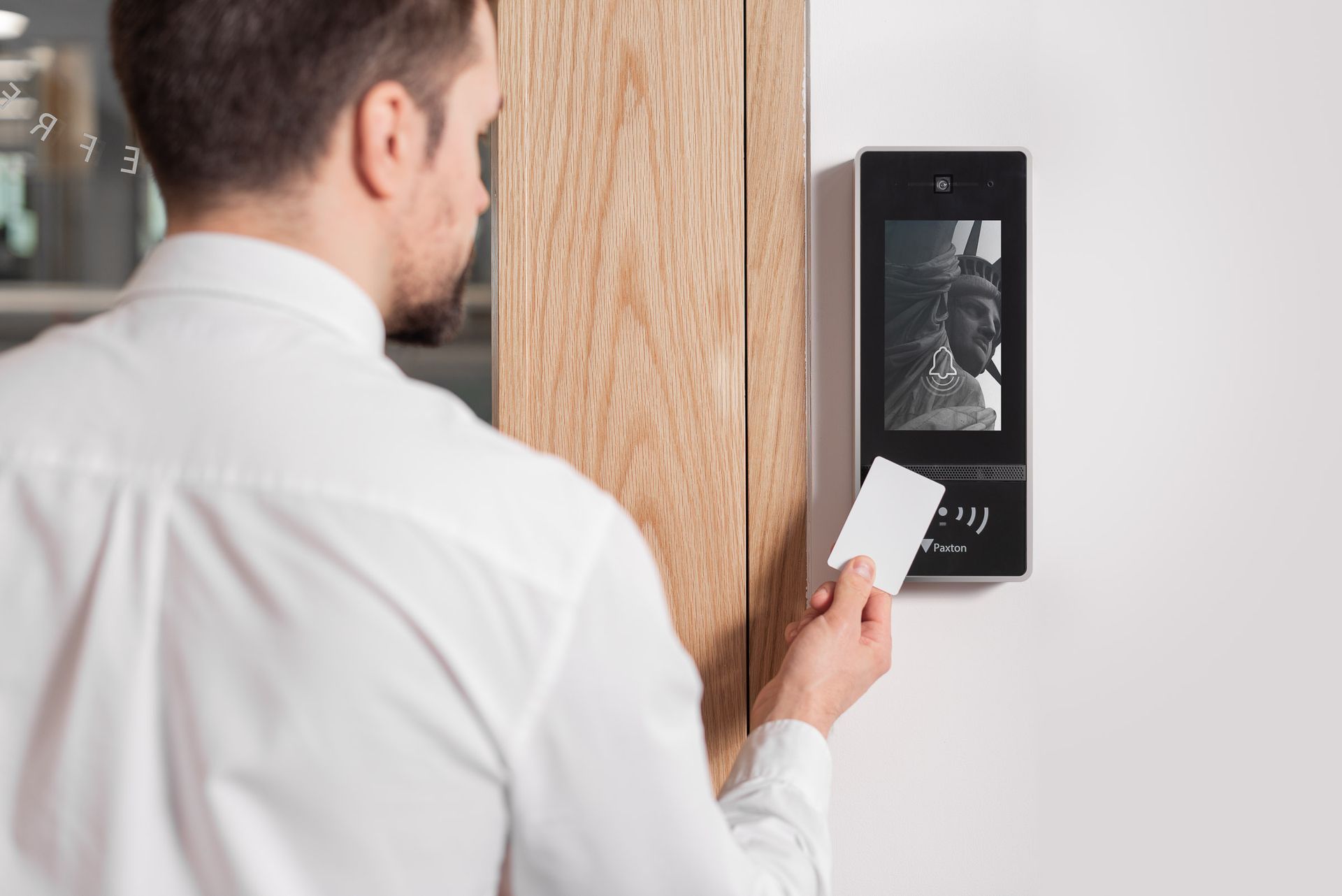
Learn what to know before upgrading commercial security systems in Newport News, VA — from system components to installation considerations for older buildings.
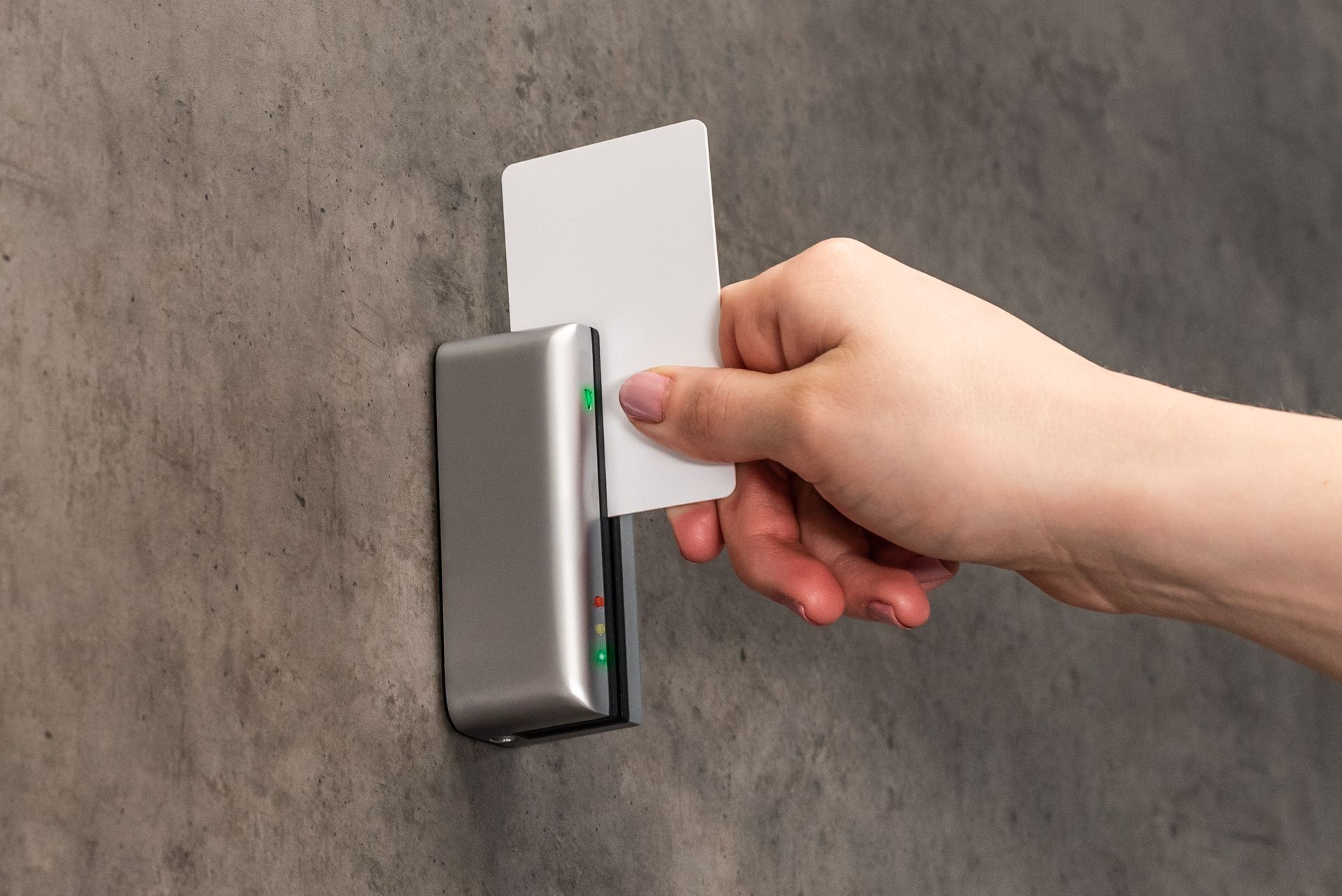
Access control installation in Hampton, VA helps businesses manage who enters their facilities, reducing risk and improving employee safety every day.
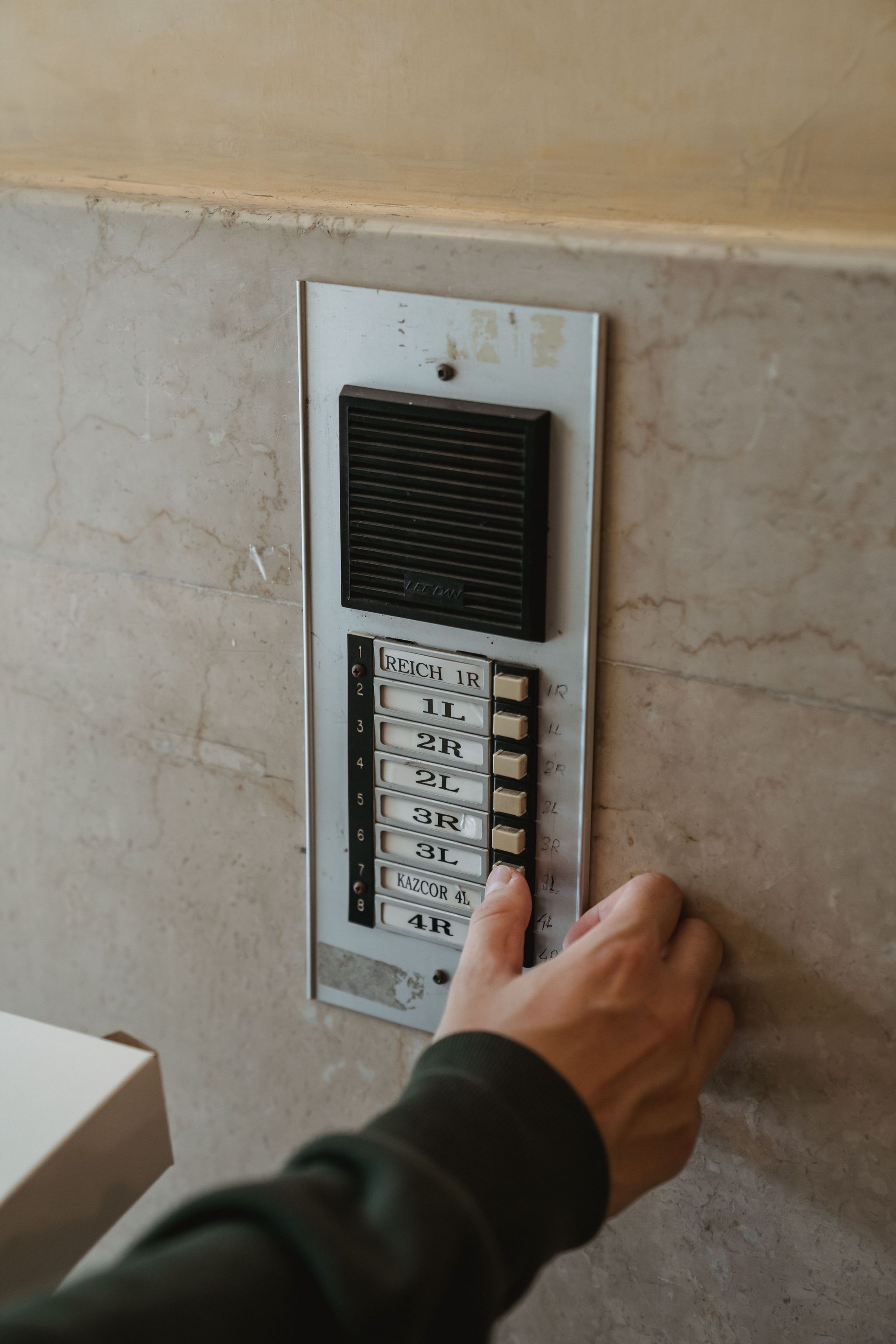
Professional intercom system installation in Suffolk, VA using Aiphone and Comelit brands for residential and commercial communication needs with visitor management.
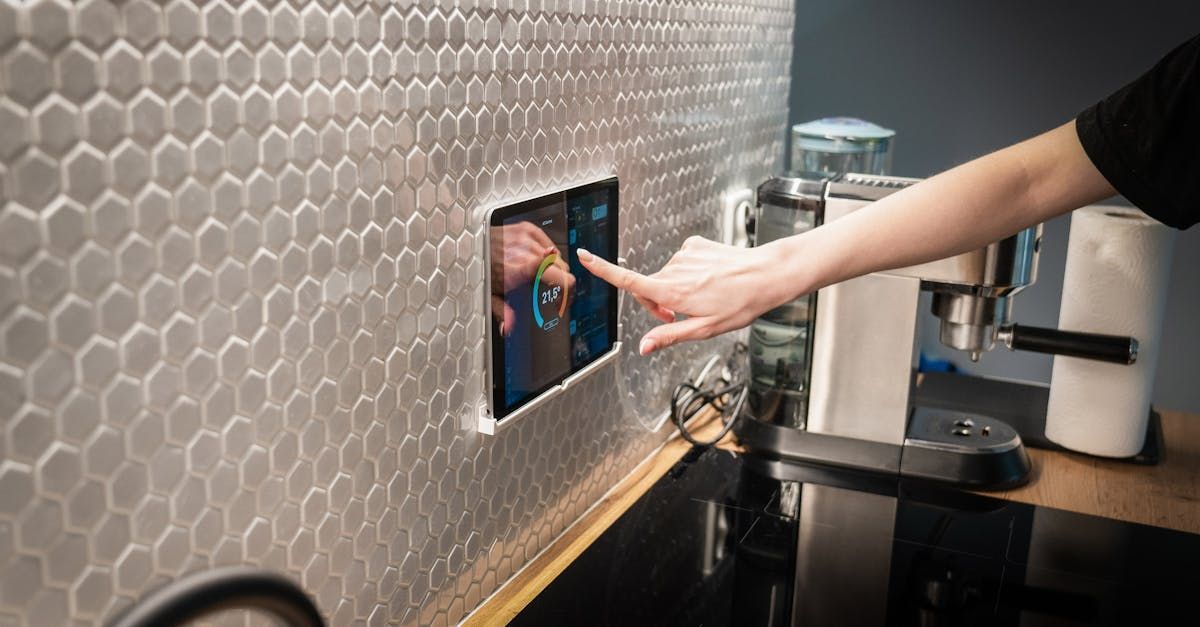
Advanced home automation systems in Smithfield, VA integrating security, lighting, climate control, and smart devices for comprehensive residential management.